
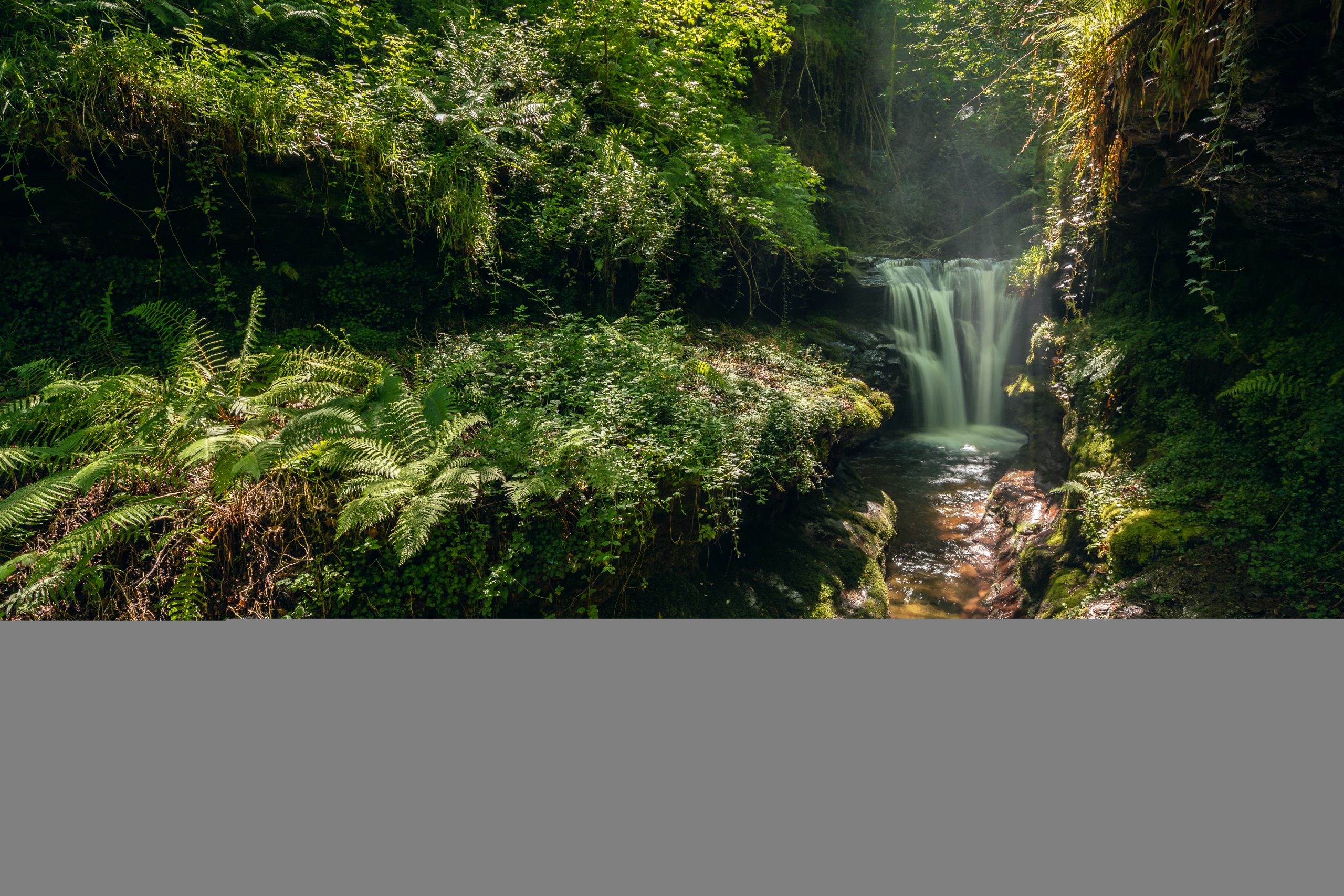
Deep in the southwest of Sri Lanka lies Sinharaja Forest Reserve, a living relic of the ancient supercontinent Gondwana. As the country’s last viable area of primary tropical rainforest, Sinharaja is more than just a park; it is a UNESCO World Heritage site and an international biosphere reserve that holds some of the world’s most unique biological treasures.
A World Above the Rest
The name “Sinharaja” translates to “Lion King,” a nod to local legends of a lion that once inhabited these dense woods. Today, while the lions are gone, the forest remains a kingly domain of biodiversity. Because it was protected from commercial logging by its rugged terrain, much of the forest remains “primary,” meaning it has never been significantly altered by humans.
Key Facts at a Glance
| Feature | Description |
| Status | UNESCO World Heritage Site (Designated 1988) |
| Area | Approximately 11,187 hectares |
| Climate | Tropical humid (Rainfall: 3,000mm to 5,000mm annually) |
| Altitude | 300m to 1,170m above sea level |
A Biodiversity Hotspot
Sinharaja is famous for its endemism. In many cases, the plants and animals found here exist nowhere else on the planet.
- Flora: Over 60% of the trees in Sinharaja are endemic to Sri Lanka. The forest is characterized by a “layered” structure: a towering canopy reaching up to 45 meters, a dense sub-canopy, and a dark, damp forest floor.
- The Mixed-Species Bird Flocks: One of the most fascinating phenomena in the forest is the “bird wave.” Different species of birds—such as the Sri Lanka Crested Drongo and the Orange-billed Babbler—hunt together in a moving flock to maximize their foraging efficiency.
- Reptiles and Amphibians: From the bioluminescent fungi to the vibrant Green Pit Viper, the forest floor is a theater of evolution. More than 50% of Sri Lanka’s endemic mammal and butterfly species can be found here.
Why It Matters
Beyond its beauty, Sinharaja plays a critical role in the island’s ecology. It acts as a natural watershed, feeding several major rivers like the Kalu Ganga and the Gin Ganga. By regulating the local climate and sequestering carbon, it serves as a vital defense against environmental degradation.
Note for Travelers: The forest is famous for its leeches, especially during the rainy season. While harmless, they are persistent! Wearing “leech socks” and applying salt or lime is a common ritual for any trekker entering the woods.
Exploring the Forest
For those looking to visit, the forest offers several entry points, with Kudawa and Deniyaya being the most popular. Walking is the only way to experience the interior, as vehicles are prohibited.
Popular Trails include:
- Sinhagala (Lion Rock): A challenging trek that rewards you with a panoramic view of the forest canopy.
- Moulawella: A slightly shorter path that offers incredible vistas of the surrounding valleys.