
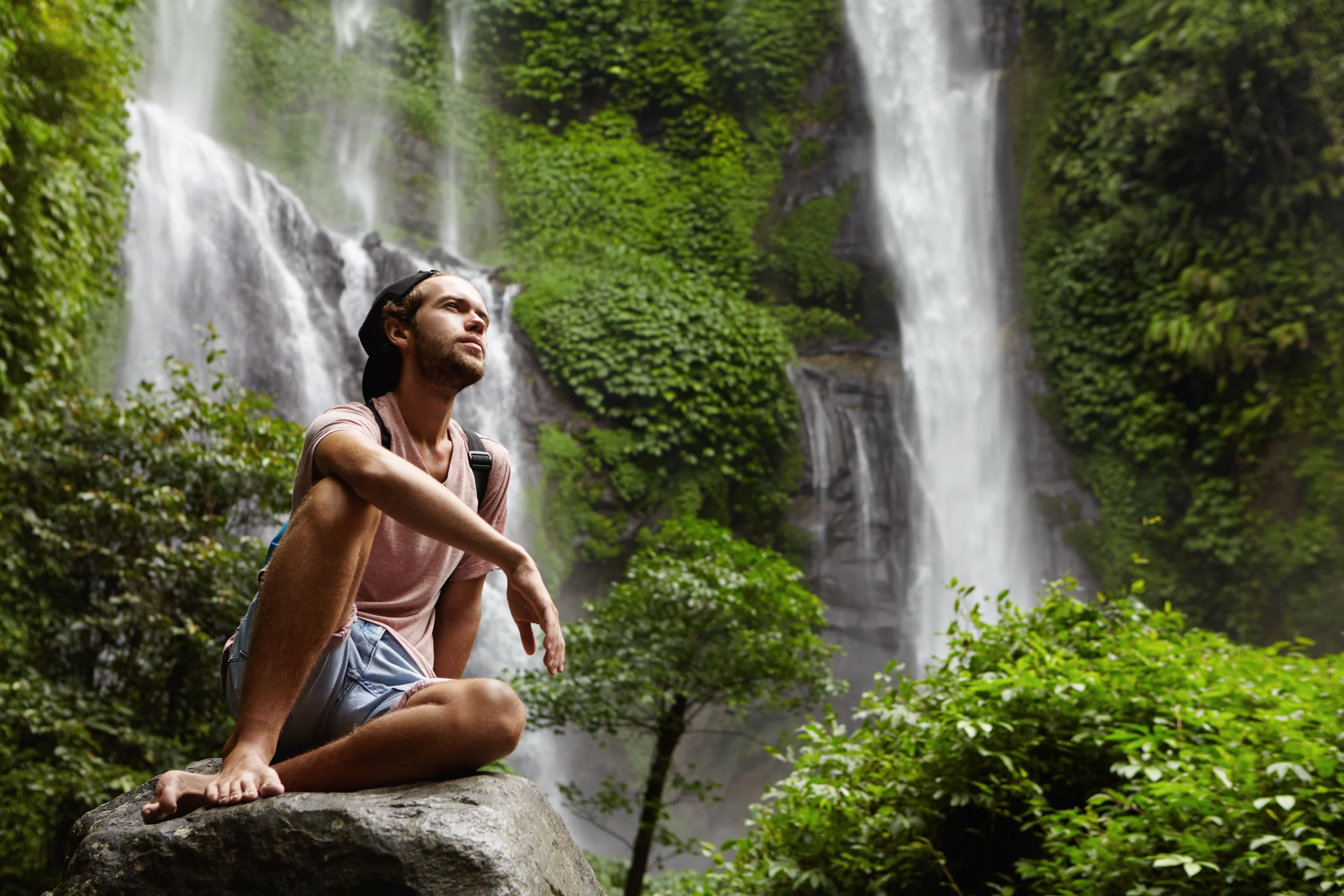
Deep within the southern hinterlands of Sri Lanka lies one of the most ecologically significant landscapes in South Asia: the Kanneliya-Dediyagala-Nakiyadeniya forest complex, commonly known as the KDN Complex.
As the largest remaining rainforest in Sri Lanka after the world-renowned Sinharaja, Kanneliya is a sanctuary of mist-covered canopies, cascading waterfalls, and an incredible density of life that exists nowhere else on Earth.
The Last of the Lowland Giants
The KDN complex represents the last extensive tract of lowland rainforest in the country. Spanning over 10,000 hectares, Kanneliya was designated a Biosphere Reserve by UNESCO in 2004. Unlike the highland forests, the lowland climate here remains warm and humid year-round, creating a “hothouse” effect that fuels rapid biological growth.+1
Historically, parts of Kanneliya were subject to logging until the late 1970s. However, the forest has staged a remarkable recovery, and today, it stands as a testament to nature’s resilience, with secondary growth blending seamlessly into ancient primary jungle.
A Biodiversity Hotspot
Kanneliya is a “living laboratory.” It is recognized for its high degree of endemism, meaning many of the species found here are unique to Sri Lanka—and in some cases, unique to this specific forest.
- Flora: The forest is dominated by the majestic Dipterocarpus trees. Over 15% of the floral species in Kanneliya are endemic, including rare medicinal plants and wild orchids.
- Avian Life: For birdwatchers, it is a paradise. You can spot the Sri Lanka Blue Magpie, the Spotted-winged Thrush, and the elusive Sri Lanka Frogmouth.
- Reptiles and Amphibians: The humid floor is home to a variety of endemic lizards, such as the Hump-nosed Lizard, and numerous colorful tree frogs that emerge after the monsoon rains.
Key Highlights for Visitors
Kanneliya is more accessible and often less crowded than Sinharaja, offering a more intimate experience with the wild. Here are the must-see spots:
| Attraction | Description |
| Anagimale Falls | A picturesque waterfall just a short hike from the entrance, perfect for photography and cooling off. |
| The Giant Fern | An ancient, towering fern tree that serves as a reminder of the prehistoric age of these forests. |
| Narangas Ella | A stunning, tall waterfall tucked deeper into the woods, rewarding those who take the longer trekking paths. |
| Kavedawa Mountain | A peak offering a panoramic view of the emerald canopy stretching toward the horizon. |
Conservation and the Future
Despite its protected status, Kanneliya faces threats from illegal encroachment and the effects of climate change. Conservation efforts led by the Forest Department and local communities focus on eco-tourism as a way to provide sustainable livelihoods while protecting the trees. By visiting Kanneliya, travelers contribute directly to the preservation of this vital “green lung.”
Tips for Travelers
- Hire a Guide: Local guides are mandatory and invaluable for spotting camouflaged wildlife.
- Leech Protection: Being a wet rainforest, leeches are common. Wear leech socks and carry citronella oil or salt.
- Best Time to Visit: Between December and April or July and August, when rainfall is lower and the trails are more manageable.


