
Deep in the southeastern corner of Sri Lanka, where the dry scrub jungle meets the turquoise edge of the Indian Ocean, lies Yala National Park. As the country’s most visited sanctuary and its second-largest protected area, Yala is a place where the wild reigns supreme.
From the elusive “Prince of the Jungle” to ancient ruins swallowed by the forest, Yala offers a safari experience that rivals the great plains of Africa.
The Apex Predator: Home of the Leopard
Yala’s greatest claim to fame is its leopard population. Specifically, Block I is renowned for having the highest density of leopards in the world.
The Sri Lankan leopard (Panthera\ pardus\ kotiya$) is a unique subspecies that sits at the top of the food chain here. Because they have no natural competition from lions or tigers, these cats are unusually bold. It is not uncommon to see a leopard lounging on a sun-warmed granite outcrop or prowling across a dusty jeep track in broad daylight.
A Tapestry of Biodiversity
While the leopards are the stars, Yala’s ecosystem is home to a “Big Five” of its own:
- Sri Lankan Leopard: The elusive apex predator.
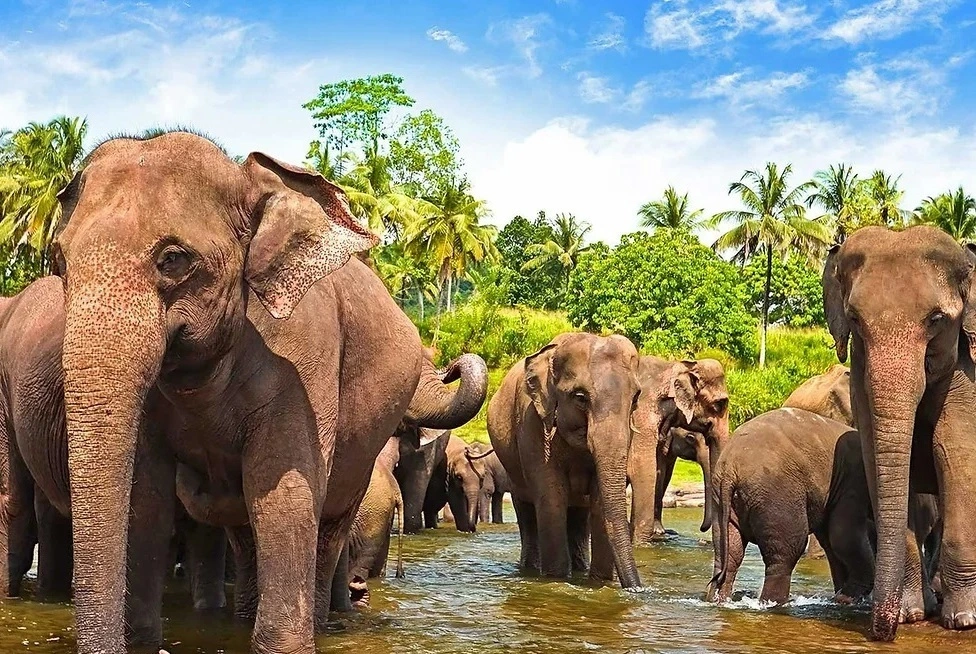
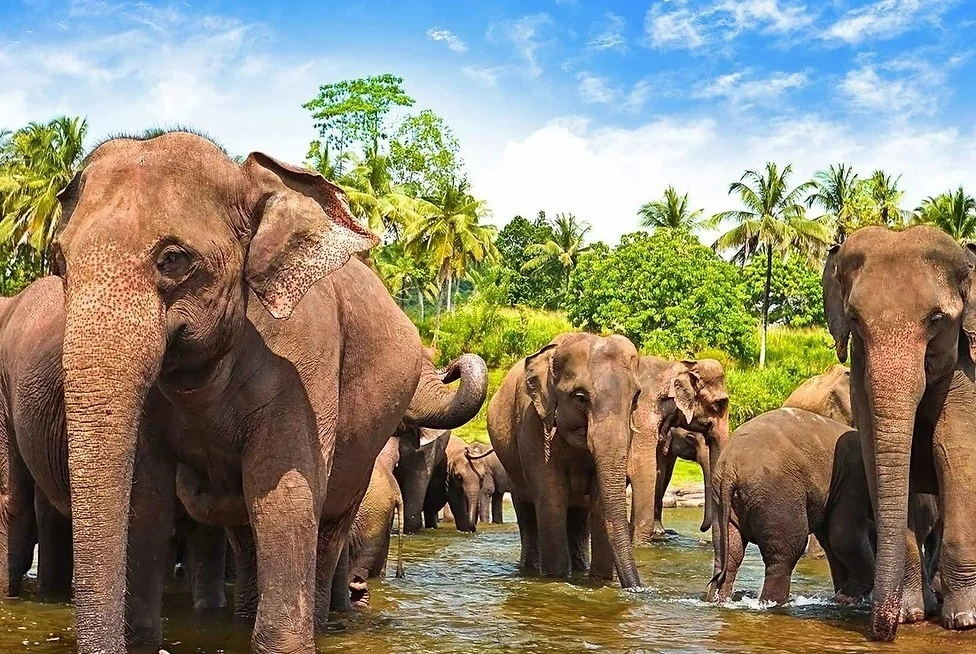
- Asian Elephant: Often seen in large herds near waterholes, especially during the dry season.
- Sloth Bear: Best spotted between May and July when the Palu trees are in fruit.
- Wild Water Buffalo: Found cooling off in the many lagoons.
- Mugger Crocodile: Frequently seen basking on the banks of the Menik River.
The park is also a birdwatcher’s paradise, hosting over 215 species. During the northeast monsoon (November to January), the lagoons are filled with migratory waterfowl, including painted storks, pelicans, and the rare black-necked stork.
Ancient Whispers: Nature Meets History
Yala is more than just a wildlife sanctuary; it is a cradle of ancient civilization. Nestled deep within the park is Sithulpahuwa, an ancient rock temple dating back over 2,000 years. It is said that this monastic settlement once housed 12,000 monks.
Scattered throughout the park are ruins of ancient “tanks” (reservoirs) and inscriptions that tell the story of the Ruhuna Kingdom. This blend of spiritual history and raw nature gives Yala a mystical atmosphere found nowhere else.
Planning Your Safari
If you are planning a visit, here is what you need to know for a successful adventure:
| Feature | Details |
| Best Time to Visit | February to June (Dry season, best for sightings). |
| Operating Hours | 6:00 AM – 6:00 PM (Best to arrive by 5:30 AM). |
| Park Blocks | 5 Blocks (Block I is the most popular; Block V is quieter). |
| Closure | Block I often closes in September/October for rejuvenation. |
Insider Tips:
- The Early Bird: The best sightings happen in the first two hours of the day. Be at the gate early to be one of the first jeeps inside.
- Respect the Wild: Keep noise to a minimum. Animals are more likely to stay visible if they don’t feel threatened by loud talking or music.
- Dress the Part: Wear earthy, neutral tones (khaki, olive, brown) to blend in.15 The mornings can be chilly, so bring a light jacket.


